
By Peter Kuitenbrouwer for MLF ENEWS
First Nations taught settlers how to get sweetener from a sugar maple tree
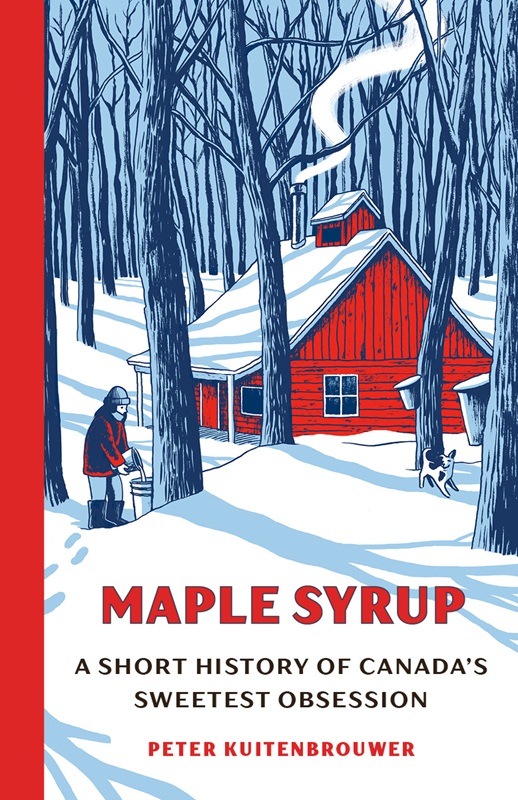
The skill of how to tap sugar maple trees in Spring and boil the sap down into a sweetener is one of many crafts that the First Peoples taught to settlers in North America. Sugaring’s Indigenous origins takes up a chapter in my new book, Maple Syrup: A short history of Canada’s sweetest obsession.
Long before settlement, the Anishnaabe, Haudenosaunee, Huron and other Nations depended on maple sugar as a staple in their diet. In spring it was the women who made the sugar. They used maple sugar to season their food and to remedy breathing problems, heart and stomach problems.
The First Peoples of the 17th to 19th centuries sold maple sugar in blocks packaged in birch bark, known as makaks, that could weigh up to about 12 kilograms each, supplying fur trading companies who redistributed the sugar to their trading posts.
However, once the First Peoples had taught them the art of syrup-making, colonists cut the forests for agriculture or took the forests for settler use, while pushing the Indigenous peoples onto reserves. This part of the maple syrup story clouds, discolours and embitters our national condiment.
There is also good news: Many First Nations have in recent years returned to the sugar bush. These operations include Ziibaakdakaan Maple northwest of Toronto and Giizhigat Maple Products on St. Joseph’s Island near Sault Ste. Marie.
Indigenous producers featured in the book include Wasauksing Maple Products, on Parry Island in the Georgian Bay. The island, about 250 kilometres north of Toronto, is bigger than Manhattan but sparsely populated, home to about 400 Anishnaabe people. One thing abounds on this island: sugar maple trees. Thanks to this bounty, Wasauksing has a growing reputation for its thick, golden delicious maple syrup.
Peter Kuitenbrouwer is a writer and a Registered Professional Forester who makes maple syrup with family and friends at their farm in Madoc, Ont. His book, Maple Syrup: a short history of Canada’s sweetest obsession (Doubleday Canada 2025) is available where books are sold, or here.


Part of the MLF ENews | Subscribe for quarterly news right to your INBOX